6 Most Important Maintenance Checks That Help Keep Your Car Road-Ready
A road-ready vehicle should start reliably, stop predictably, maintain a safe engine temperature, and respond correctly when you steer. Those basic expectations depend on several systems working together, including the tires, brakes, fluids, battery, belts, and suspension.
Small problems in these areas can develop without an immediate warning light. A tire may lose pressure slowly, a battery may weaken between starts, or a coolant leak may leave only faint residue. These six maintenance checks can help uncover developing trouble before it interrupts your drive.
1. Check Tire Pressure And Tread Condition
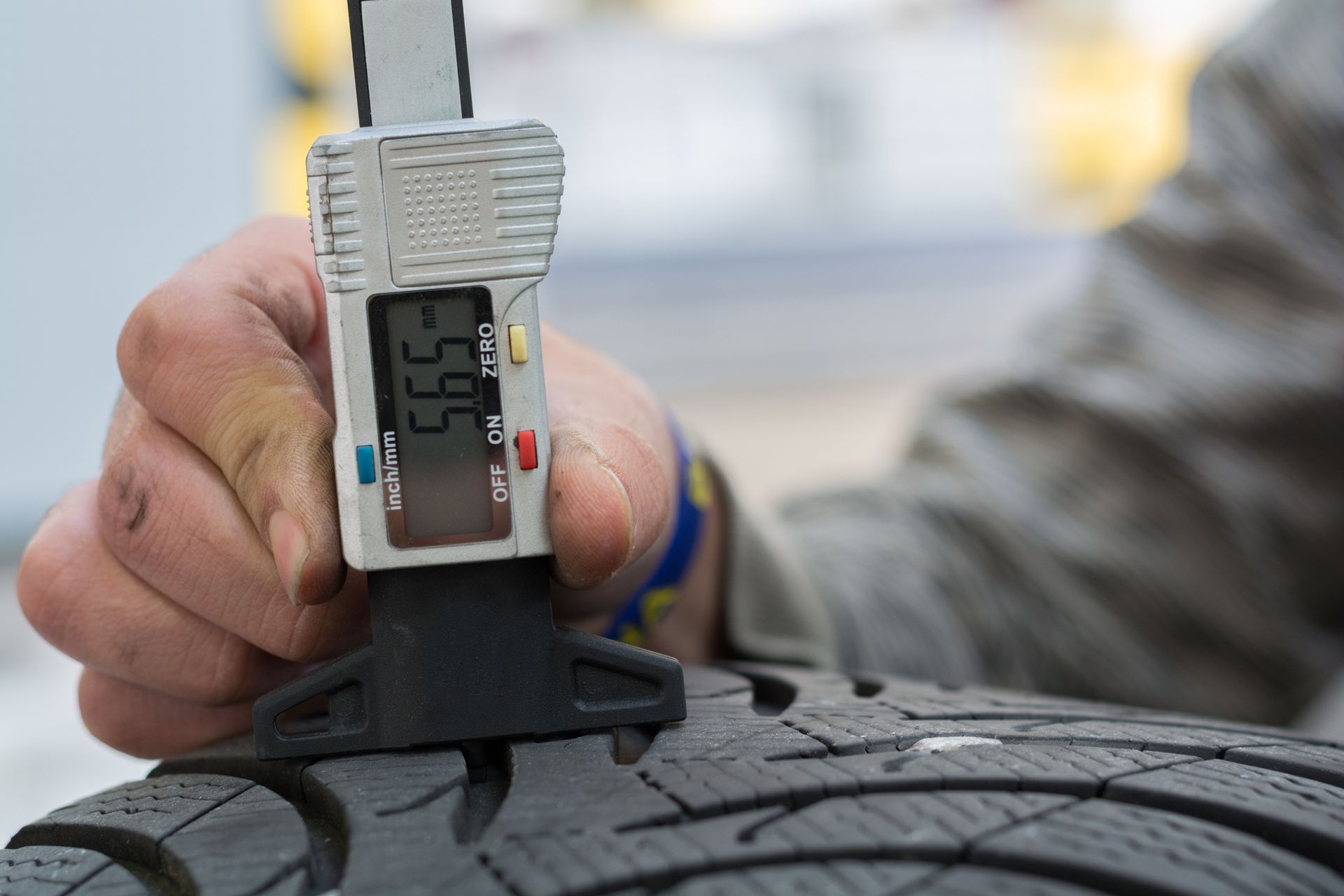
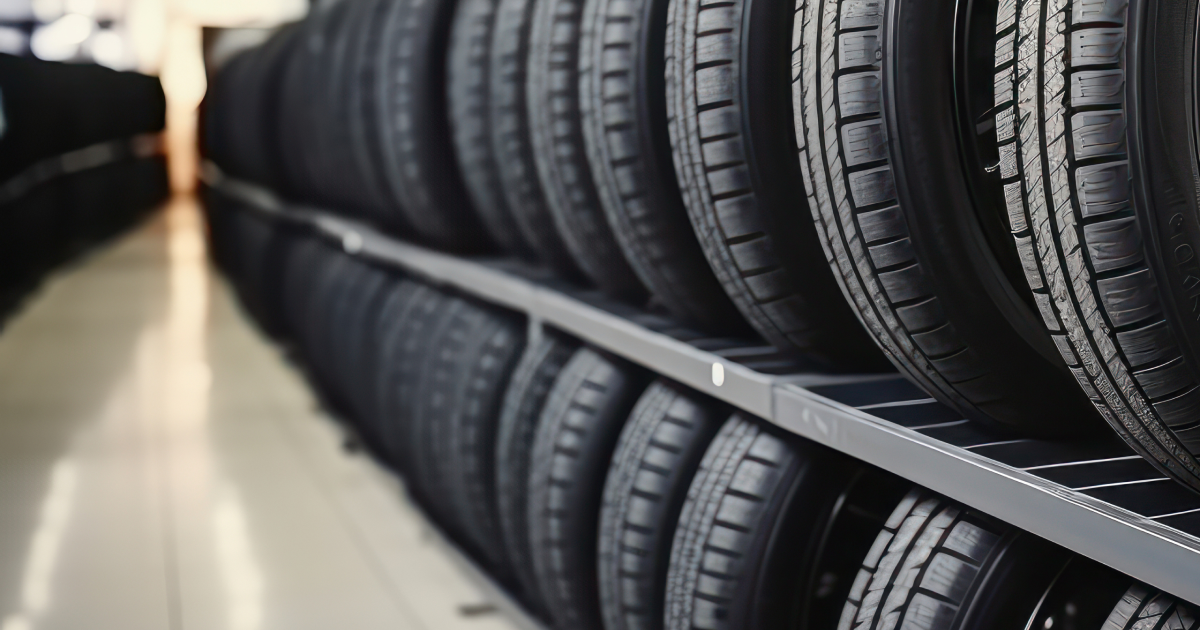
Tires create the contact between your vehicle and the road. Incorrect pressure can affect braking, steering response, fuel use, and tread life. Underinflated tires generate additional heat and may wear along both shoulders, while overinflated tires can wear more heavily through the center.
Tread should be checked for uneven wear, cuts, bulges, embedded objects, and aging rubber. Wear concentrated on one edge may indicate an alignment concern, while cupping can be connected to weak shocks, worn suspension parts, or wheel balance trouble. Finding the pattern early may help protect the remaining tire life.
2. Inspect The Brakes Before They Begin Grinding
Brake pads wear gradually each time the vehicle slows. Depending on the wheel design, a technician may be able to see part of the pad and rotor during a basic check, though removing the wheels provides a clearer view of inner and outer pad thickness.
Uneven wear can reveal a sticking caliper, seized slide pin, restricted hose, or damaged hardware. Rotors should also be checked for deep grooves, cracks, heat spots, and thickness concerns. A change in pedal feel, consistent squealing, pulling, or vibration should be mentioned before the visit so the technician can reproduce the symptom.
3. Review Fluid Levels And Look For Leaks
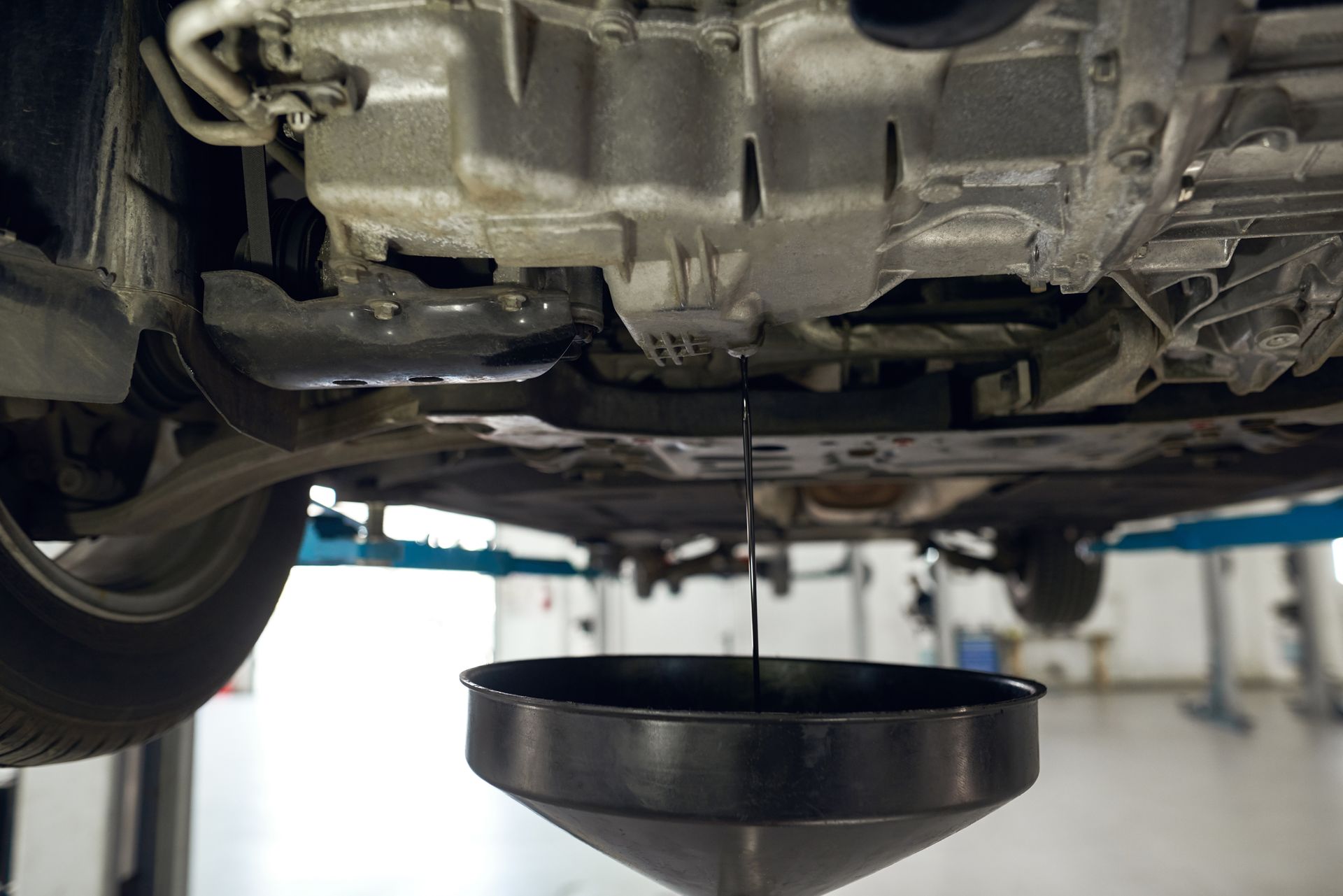
Fluids protect several of the most expensive systems in the vehicle. Engine oil lubricates internal parts, coolant controls temperature, brake fluid transfers hydraulic pressure, and transmission fluid supports lubrication and shifting. Differentials, transfer cases, and hydraulic steering systems may use additional fluids.
A low level is often a clue that something needs attention. Coolant can escape from a hose, radiator, water pump, reservoir, or plastic housing. Oil may leak from a gasket, seal, filter housing, or drain plug. Repeatedly topping off fluid without locating the source can allow a small leak to become a costly failure.
- Important fluid areas include:
- Engine oil level and condition
- Engine coolant level
- Brake fluid level
- Transmission fluid where accessible
- Power steering fluid on equipped vehicles
- Differential and transfer case leaks
- Windshield washer fluid
The correct fluid specification is essential. Similar-looking coolants, transmission fluids, or lubricants may have different chemical and friction properties, so replacement products should match the vehicle’s requirements.
4. Test The Battery And Charging System
A battery can still start the engine while losing reserve capacity. The first obvious failure may occur after a cold night, a long period of parking, or a short trip that did not allow the charging system to restore the energy used during startup.
Battery testing can show whether the unit is weakening under load. The terminals, cables, and ground connections should also be checked for corrosion, looseness, or hidden resistance. Charging voltage can then be measured to confirm that the alternator is replenishing the battery while the engine runs.
Slow cranking is not always caused by the battery itself. A worn starter, damaged cable, or weak ground can create similar symptoms. Testing the complete starting and charging system helps separate the possible causes before parts are replaced.
5. Examine Belts, Hoses, And Filters
Drive belts operate components such as the alternator, water pump, and A/C compressor, depending on the engine design. Cracks, frayed edges, glazing, fluid contamination, or tensioner noise can indicate that the belt system needs service.
Cooling hoses may become swollen, brittle, soft, or cracked near their connections. Dried coolant residue can expose a slow leak before fluid reaches the ground. Air filters should also be checked because a restricted engine filter can reduce airflow, while a clogged cabin filter can weaken ventilation and place extra strain on the blower motor.
Filters and rubber parts should be replaced based on condition and the manufacturer’s schedule rather than automatically at every visit. Service records help confirm when each item was last changed and prevent usable parts from being discarded too early.
6. Check Steering And Suspension Components
Steering and suspension parts keep the wheels positioned correctly while controlling vehicle movement over bumps and through turns. Ball joints, tie rods, control arm bushings, sway bar links, shocks, struts, springs, and wheel bearings can all wear gradually.
Developing problems may cause clunking, wandering, uneven tire wear, excessive bouncing, or a steering wheel that feels less precise. Drivers often adapt to these changes and may not recognize how much the vehicle’s handling has declined. A hands-on inspection can uncover looseness before it affects braking stability or damages the tires.
An alignment may be recommended after worn components are repaired. Adjusting wheel angles while a joint or bushing remains loose will not provide a lasting correction, so the mechanical parts should be evaluated first.
Why These Checks Work Best Together
Vehicle systems are connected. Uneven tire wear may lead to a suspension concern, low brake fluid may reflect worn pads, and a damaged belt can affect both charging and engine cooling. Checking only the symptom can leave the underlying cause unnoticed.
Regular maintenance creates a record of how these systems change over time. Comparing current measurements with earlier visits helps identify rapid wear, recurring leaks, or a battery that is steadily losing capacity. That information makes it easier to plan service before the vehicle becomes unreliable.
Get Vehicle Maintenance Checks In Cleveland, TX, With Akin Auto Care
Akin Auto Care in Cleveland, TX, can check your tires, brakes, fluids, battery, belts, hoses, filters, steering, and suspension.